As a parent, I can barely imagine the scale of the terror of polio. Historians note that fear of polio was second only to atomic warfare in parents' fears for their children.
At its peak in 1952, polio struck nearly 60,000 children in a single year. The surge in cases catalyzed national mobilization. To validate the science behind a potential cure, Dr. Jonas Salk marshaled the largest field trial in history, mobilizing 1.8 million Polio Pioneers to prove the innovation worked.
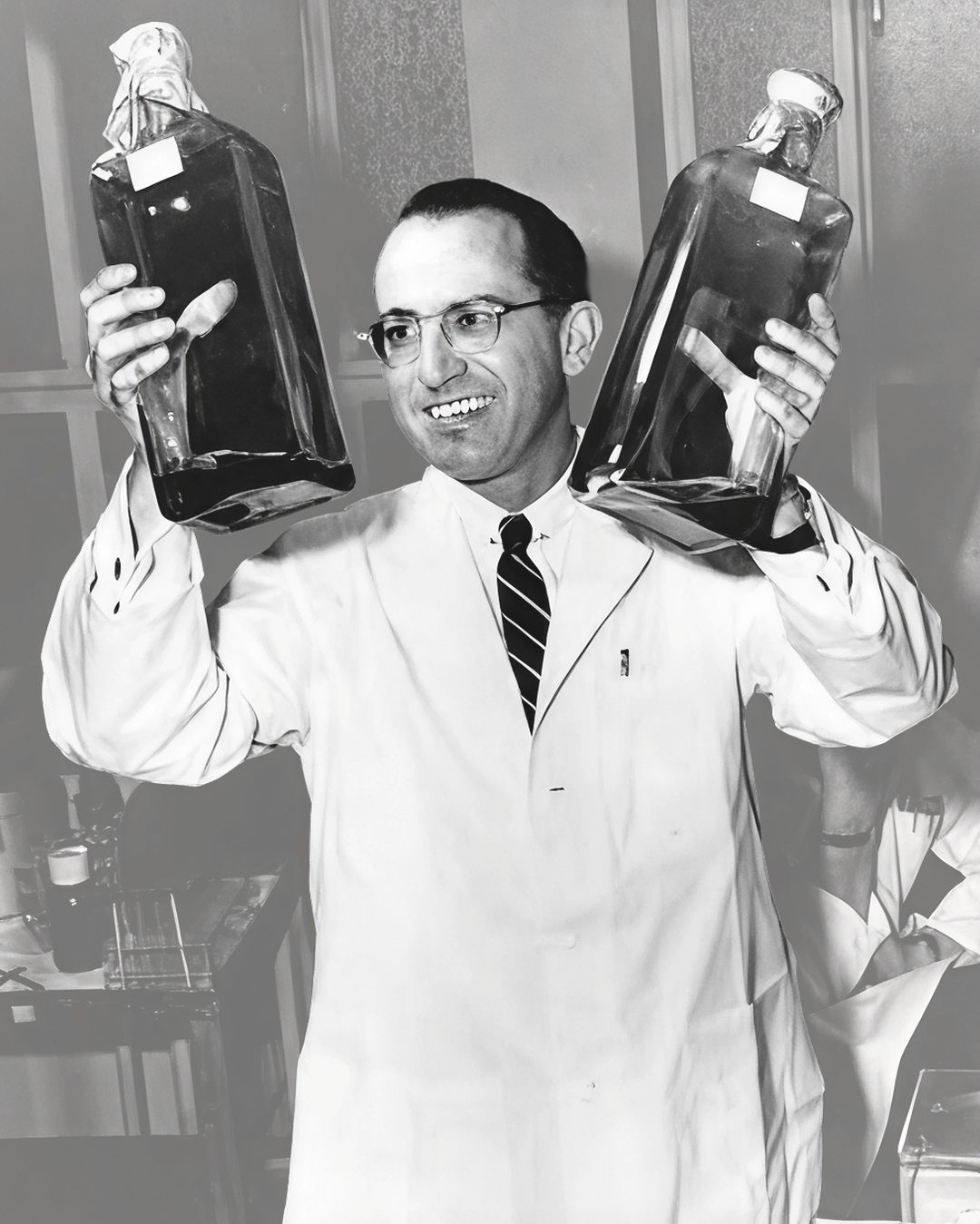
The University of Michigan announced the Salk vaccine was "safe, potent, and effective.”


Twenty-five health innovations that changed the world.

Research, discovery, and delivery of new drugs at scale is incredibly expensive. As investors, we have to acknowledge the significant financial and moral tensions inherent in moving a proprietary breakthrough to public availability.
The story of the Polio vaccine is one illustration of the relationship between the sources of capital and the cost of innovation. Salk’s work was almost entirely funded by the National Foundation for Infantile Paralysis (now the March of Dimes), a grassroots engine powered by the literal dimes of millions of ordinary citizens.
The investors were the American people themselves, Salk and the University of Pittsburgh viewed the resulting IP as a public asset.
This attribution isn’t always possible or even advisable, but Salk’s selflessness and clarity in this case provoked a profound advance in global health.