2020
Operation Warp Speed: mRNA Vaccines
operation-warp-speed-mrna-vaccines
2012
CAR-T Cell Therapy
car-t-cell-therapy
2003
PEPFAR
pepfar
2003
Human Genome Project
human-genome-project
1988
Laparoscopy
laparoscopy
1987
Statins
statins
1980
MRI
mri
1977
PET Scan
pet-scan
1977
Global Eradication of Smallpox
global-eradication-of-smallpox
1976
Genentech & the Birth of Biotech
genentech-the-birth-of-biotech
1973
Telemedicine
telemedicine
1967
Coronary Bypass Surgery
coronary-bypass-surgery
1961
Framingham Heart Study
framingham-heart-study
1955
The Polio Vaccine
the-polio-vaccine
1954
Kidney Transplant
kidney-transplant
1952
Eternal Pacemaker
eternal-pacemaker
1944
Penicillin Scale-Up
penicillin-scale-up
1944
DNA vs. Protein
dna-vs-protein
1937
Blood Banking, A System for Stored Lifesaving
blood-banking-a-system-for-stored-lifesaving
1923
Insulin Mass Production
insulin-mass-production
1862
The Civil War Ambulance Corps and Birth of the Modern EMS
the-civil-war-ambulance-corps-and-birth-of-the-modern-ems
1846
Ether Anesthesia
ether-anesthesia
1820
Establishing Pharmacopeia
establishing-pharmacopeia
1777
Smallpox Inoculation
smallpox-inoculation
1751
Pennsylvania Hospital
pennsylvania-hospital

1973

Telemedicine

For almost 30 years - from the early days of a small group of us starting to build LIFT, Inc. to years later, during the pandemic, when a team of us set up NeighborShare, we’ve been obsessed with a stubborn and intriguing question: How do we close the gap between the resources available and a person in need?

We often talk about medical breakthroughs as miracle molecules or surgical feats, but a treatment is only as good as its reach. For millions of Americans in rural or underserved communities, the greatest barrier to health isn't a lack of science, it's a lack of proximity.
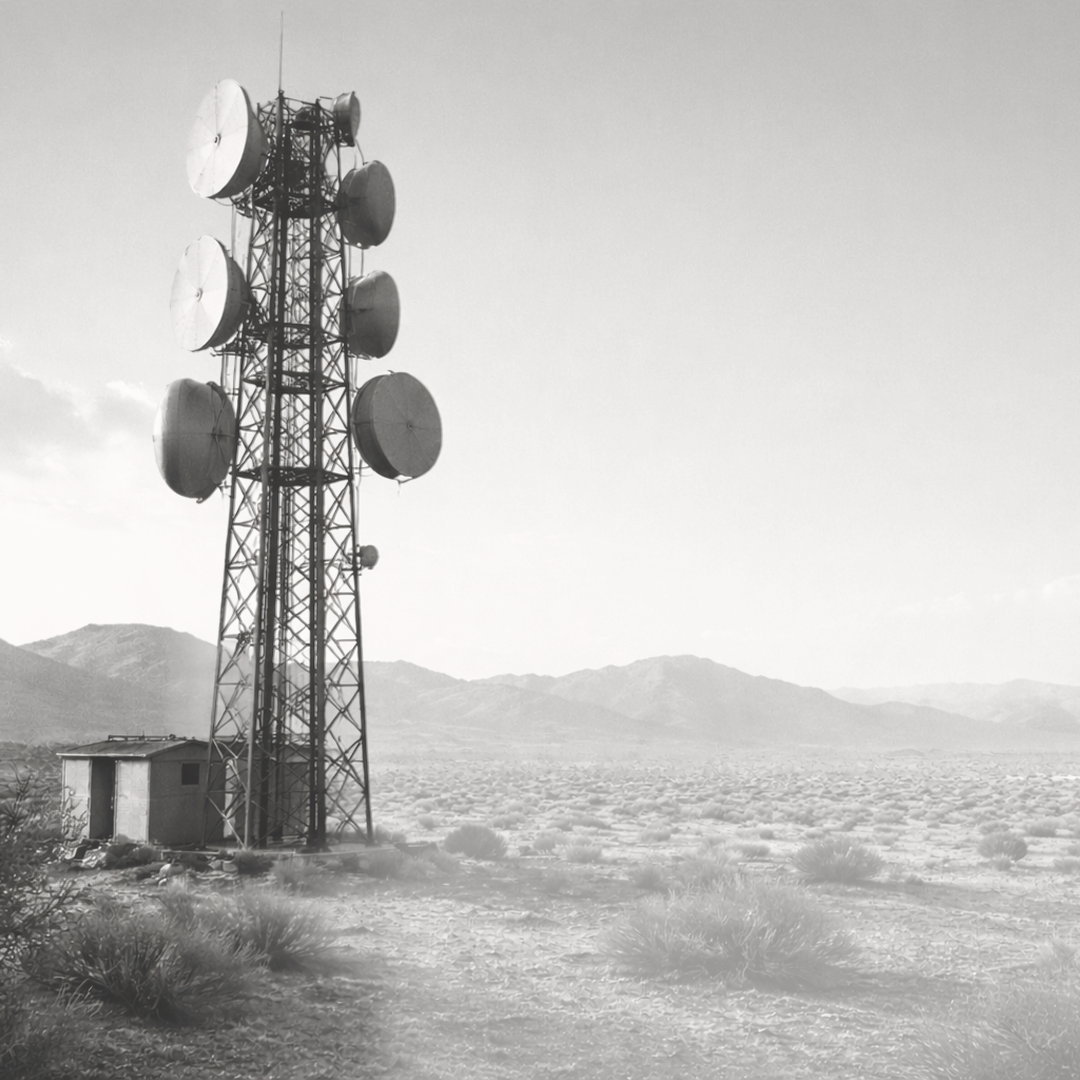
In the Arizona desert, a mobile van equipped with NASA microwave relays and television monitors begins treating patients remotely.

  • Far from Care
    The Tohono O’odham Nation (then called the Papago) spread across 3 million acres with few paved roads represented a broader issue: specialty care for those in need could be hours (or days) away.
  • The NASA Connection
    The answer lay in outer space: to get to the moon, NASA had to master biotelemetry, the ability to monitor an astronaut’s heart rate and vitals from 200,000 miles away.
  • Bridging the Distance
    STARPAHC (Space Technology Applied to Rural Papago Advanced Medical Care) was the transfer of that moonshot tech to the Earth's last mile.
  • The Integrated System
    STARPAHC wasn't just a phone call. The system integrated X-rays, ECGs, and audio-visual links. A physician at a distant Indian Health Service hospital could see, hear, remotely control the camera, and examine a patient in a remote clinic in real-time.
  • The Modern Frontier
    The Last Mile engineering of STARPAHC is the direct ancestor of today’s tele-ICUs and remote surgical consults. It shifted the paradigm from the patient must travel to the medicine to the medicine must travel to the patient.

From Brian

Access has many heroes.

I often think about the late Paul Farmer or the teams at MSF (Doctors Without Borders) who pioneered delivery systems to address the distance problem.

STARPAHC reminds us both that there are infrastructure gaps much closer to home and that those gaps can be addressed through awareness, willpower, creativity, and logistical precision.

To me, this is one of the great opportunities of our time: making more miracle molecules while improving the systems that deliver them.

Read On LinkedIn