During the Revolution, battlefield health strategy shaped outcomes just as powerfully as tactics and weapons.
In the winter of 1777–78 at Valley Forge, disease (not the British) was the Continental Army’s most immediate threat. Smallpox spread rapidly through crowded camps, killing soldiers, weakening regiments, and endangering the revolutionary cause itself.
George Washington’s response would link emerging medical practice to national survival and set an early precedent for leadership that treated healthcare as a strategic responsibility.
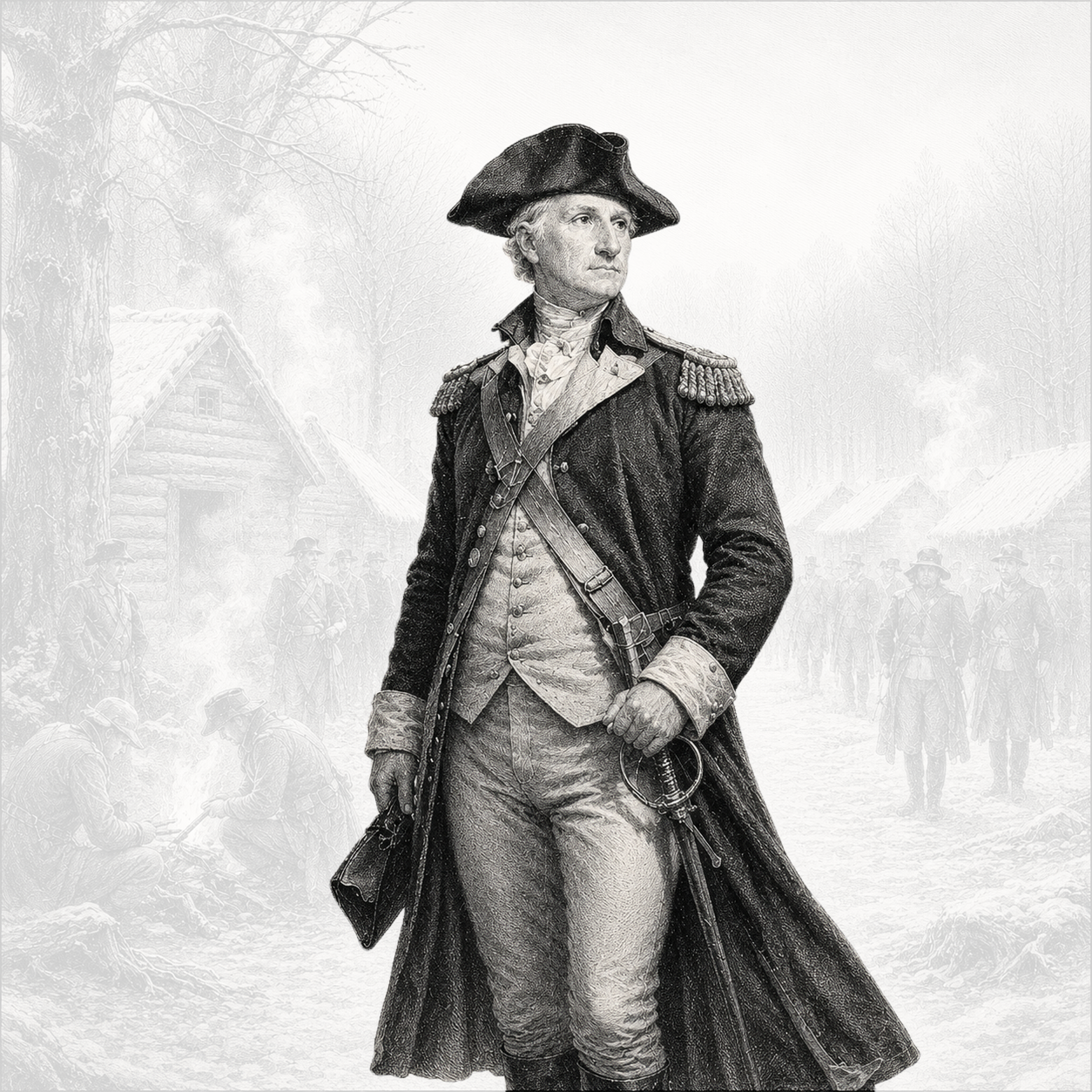
The Continental Army gathered at Valley Forge in harsh, crowded conditions with little shelter or sanitation.


Twenty-five health innovations that changed the world.



The variolation approach drew on medical knowledge developed in Africa, Asia, and the Ottoman world. In the early 1700s, that knowledge entered the American colonies through Onesimus, an enslaved African man in Boston, who described the practice to Cotton Mather, helping catalyze the first documented inoculation trials in colonial America and offering controversial evidence that smallpox could be prevented.
Washington’s decision was shaped by personal experience with smallpox, years of military exposure to its devastation, and a colonial medical tradition that understood both variolation’s risks and its power. In 1777, the General’s intervention ensured that the army, and the nation it defended, endured.