2020
Operation Warp Speed: mRNA Vaccines
operation-warp-speed-mrna-vaccines
2012
CAR-T Cell Therapy
car-t-cell-therapy
2003
PEPFAR
pepfar
2003
Human Genome Project
human-genome-project
1988
Laparoscopy
laparoscopy
1987
Statins
statins
1980
MRI
mri
1977
PET Scan
pet-scan
1977
Global Eradication of Smallpox
global-eradication-of-smallpox
1976
Genentech & the Birth of Biotech
genentech-the-birth-of-biotech
1973
Telemedicine
telemedicine
1967
Coronary Bypass Surgery
coronary-bypass-surgery
1961
Framingham Heart Study
framingham-heart-study
1955
The Polio Vaccine
the-polio-vaccine
1954
Kidney Transplant
kidney-transplant
1952
Eternal Pacemaker
eternal-pacemaker
1944
Penicillin Scale-Up
penicillin-scale-up
1944
DNA vs. Protein
dna-vs-protein
1937
Blood Banking, A System for Stored Lifesaving
blood-banking-a-system-for-stored-lifesaving
1923
Insulin Mass Production
insulin-mass-production
1862
The Civil War Ambulance Corps and Birth of the Modern EMS
the-civil-war-ambulance-corps-and-birth-of-the-modern-ems
1846
Ether Anesthesia
ether-anesthesia
1820
Establishing Pharmacopeia
establishing-pharmacopeia
1777
Smallpox Inoculation
smallpox-inoculation
1751
Pennsylvania Hospital
pennsylvania-hospital

2003

PEPFAR

In 2003, the HIV/AIDS epidemic was threatening to erase decades of progress across Sub-Saharan Africa.

In countries like Botswana and Zimbabwe, adult prevalence rates had climbed above 25%. In just ten years, life expectancy in Zimbabwe had plummeted from 60 years to 44. An entire generation of teachers, parents, and civil servants was being lost, creating a demographic gap that threatened the stability of the entire region.

The launch of PEPFAR (the President’s Emergency Plan for AIDS Relief) was a recognition that a global pathogen is a threat to global order. It was a moment where American procurement scale and bipartisan political will joined with local leadership to bridge the gap between medical discovery and human survival.
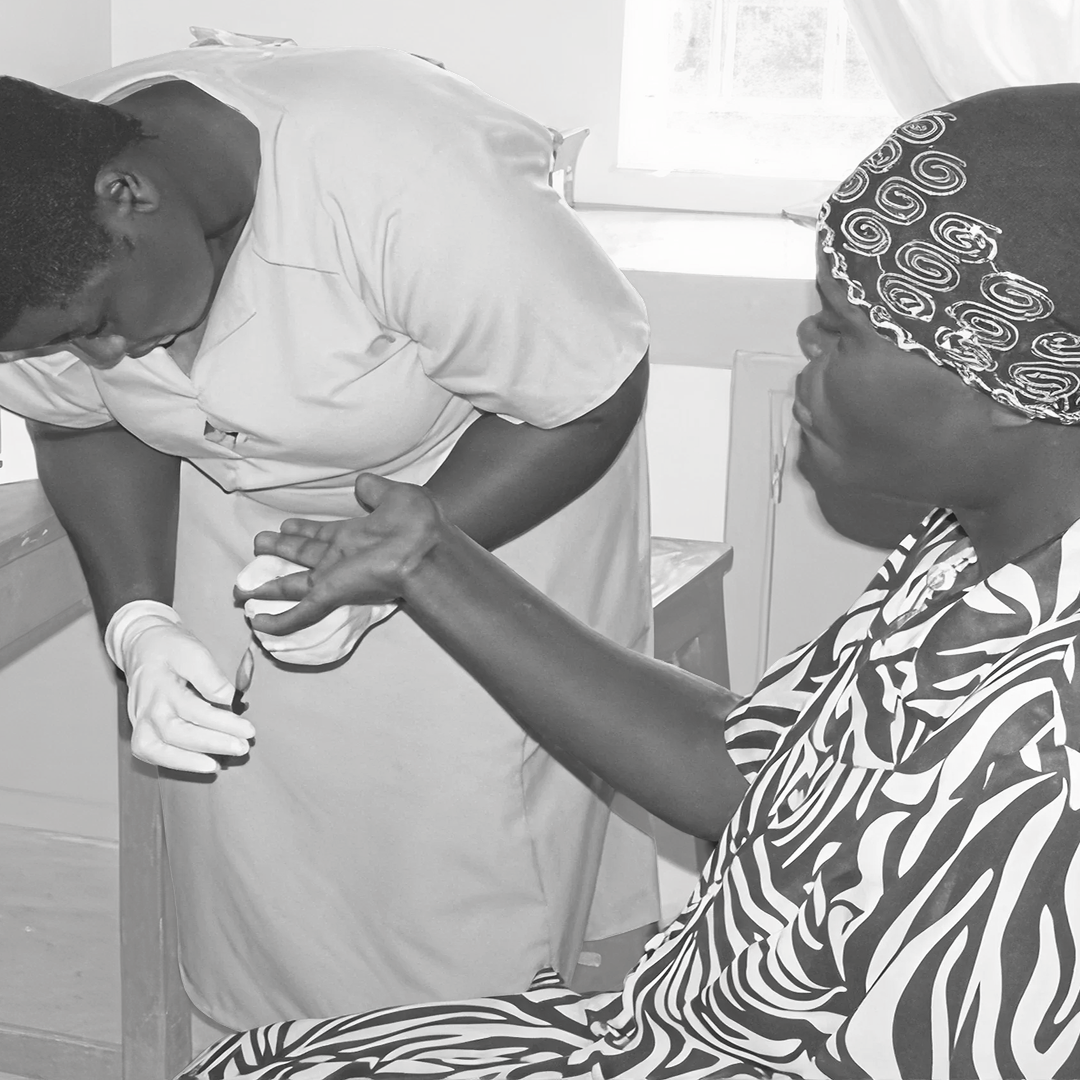
During his State of the Union address, President George W. Bush proposes a massive, five-year emergency plan to combat HIV/AIDS globally.

  • The Brink
    By 2003, nearly 30 million people in Sub-Saharan Africa were living with HIV. In the hardest-hit regions, the virus was the leading cause of death, overwhelming the healthcare systems and economies of partner nations and threatening regional security.
  • The Price of Survival
    In 2004, the U.S. began leveraging FDA fast-track approvals for low-cost, generic antiretrovirals. This dropped the cost of treatment from $10,000 per year to under $300.
  • Building the Cold Chain
    PEPFAR funded the last mile of healthcare—refrigerated supply chains, thousands of new labs, and the training of 340,000 local healthcare workers who formed the backbone of their nations' public health infrastructure.
  • An Unlikely Coalition
    The policy passed the House with a rare 375–41 vote. It was built on a famously uncomfortable alliance: LGBTQ+ activists, conservative faith-based groups, and national security hawks all sought a resolution to the crisis, though they arrived from very different moral and strategic starting points.
  • Outcomes
    Twenty years later, PEPFAR is credited with saving 25 million lives. In partner countries, the rate of new infections has been cut by nearly 50%, and over 5.5 million babies have been born HIV-free to mothers living with the virus.

From Brian

When PEPFAR was signed, the argument for it was sometimes framed in moral terms: “to whom much is given, much is required.” But there was a second, equally pragmatic American argument: a healthier world is a safer world.

As President George W. Bush later reflected, “Hope is the best alternative to terror.” The administration recognized that regional stability is a fiction when a third of the workforce is dying of a preventable disease. This wasn't just a humanitarian gesture; it was a strategic investment in the architecture of global order.

The economic data now supports that strategy. Beyond the 25 million lives saved, research shows that PEPFAR partner countries saw a 2.1 percentage point increase in their annual GDP growth compared to their neighbors. That compounding effect has generated an estimated $1.1 trillion in total economic benefit since 2003.

By using our regulatory power to make drugs affordable and our logistics to empower local clinics, PEPFAR was a culmination of global partnership in building a better future.

Read On LinkedIn