One of the key challenges of medical innovation can be the timeline. Historically, the gap between identifying a pathogen and deploying a vial has been measured in decades. In early 2020, the global expectation was that a COVID-19 vaccine would take five to ten years.
Operation Warp Speed was a bet that we could collapse that timeline without collapsing the science. It was a massive, $18 billion industrial symphony that synchronized decades of NIH-funded mRNA research, the agility of the biotech sector, and the logistical muscle of the U.S. military.
It was a master class in a logic we have seen throughout this series. In 1777, George Washington de-risked the Continental Army’s survival by mandating smallpox inoculation. In 1944, the War Production Board and private industry built massive penicillin factories while the drug was still being tested for the invasion of Normandy.
Warp Speed looked to our lineage of rapid, crisis-driven innovation and applied it to thirty years of foundational mRNA research.
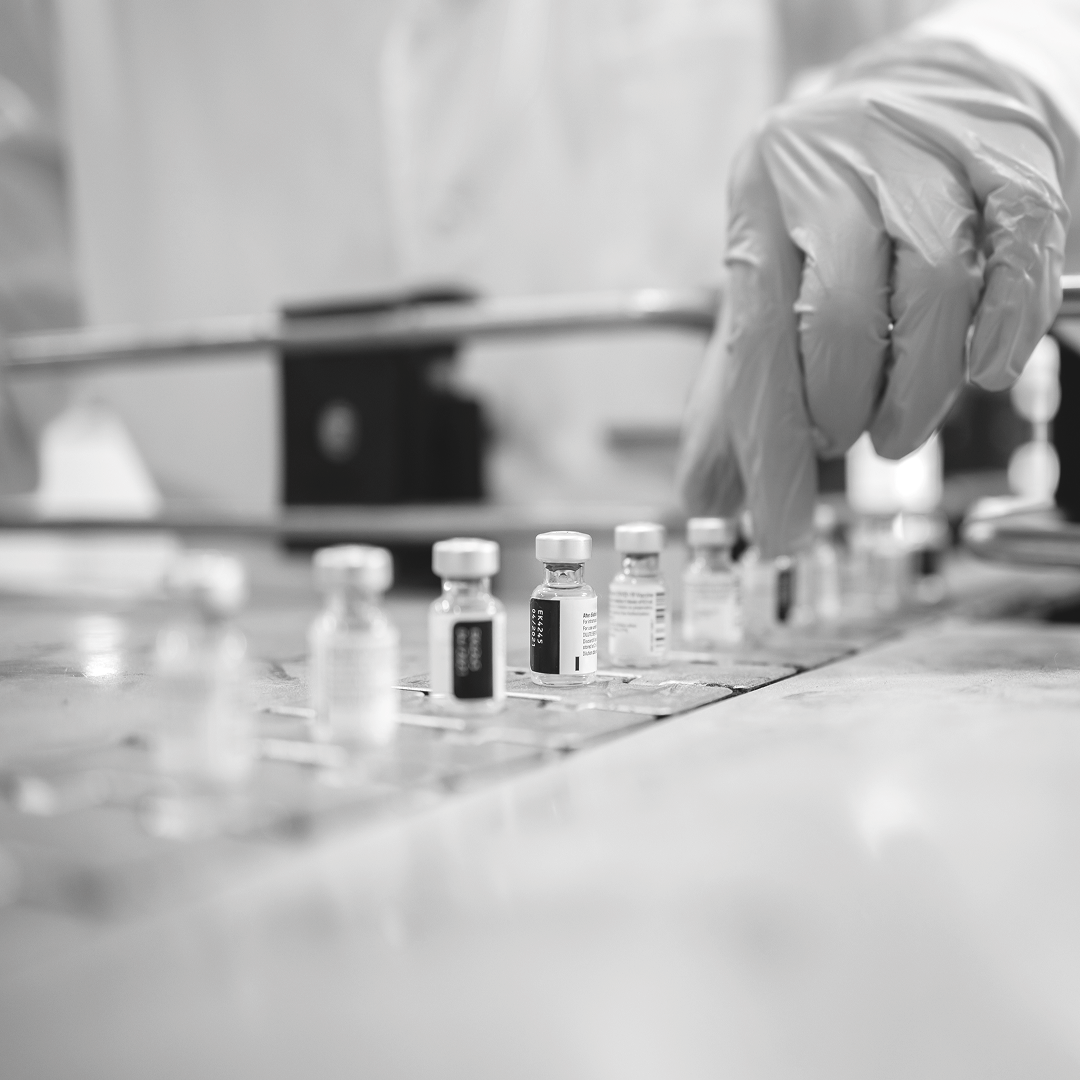
The Great Compression. Operation Warp Speed (OWS) was launched to produce and deliver 300 million doses of a safe, effective vaccine for COVID-19 in less than a year.


Twenty-five health innovations that changed the world.



In the spring of 2020, like most parents, I was looking at my kids, trying to reconcile two realities. The first was the immediate silence of the world - schools closed, playgrounds taped off, the sudden contraction of life. The second was the math: vaccines can take five to ten years to develop. In a child's life, a decade is an eternity.
The scale of the crisis felt too big for our systems.
But then, the engines turned.
Operation Warp Speed was a catalytic moment for me: it was a personal and global demonstration of what happens when American leadership, massive capital, and intellectual horsepower are pointed towards a single challenge. It was the realization that the country that led scaling penicillin for D-Day and mapped the human genome still knew how to mobilize.
Our history is a 250-year record of seeing "impossible" timelines or historical constructs as opportunities for innovation. From Franklin’s teaching hospital in Philadelphia to the code-cracking of mRNA, the story of American health is the story of building better systems to protect the people we love.
This is the final entry in our series. Thank you for reflecting on these 25 milestones with me.
The next 250 years start now.