2020
Operation Warp Speed: mRNA Vaccines
operation-warp-speed-mrna-vaccines
2012
CAR-T Cell Therapy
car-t-cell-therapy
2003
PEPFAR
pepfar
2003
Human Genome Project
human-genome-project
1988
Laparoscopy
laparoscopy
1987
Statins
statins
1980
MRI
mri
1977
PET Scan
pet-scan
1977
Global Eradication of Smallpox
global-eradication-of-smallpox
1976
Genentech & the Birth of Biotech
genentech-the-birth-of-biotech
1973
Telemedicine
telemedicine
1967
Coronary Bypass Surgery
coronary-bypass-surgery
1961
Framingham Heart Study
framingham-heart-study
1955
The Polio Vaccine
the-polio-vaccine
1954
Kidney Transplant
kidney-transplant
1952
Eternal Pacemaker
eternal-pacemaker
1944
Penicillin Scale-Up
penicillin-scale-up
1944
DNA vs. Protein
dna-vs-protein
1937
Blood Banking, A System for Stored Lifesaving
blood-banking-a-system-for-stored-lifesaving
1923
Insulin Mass Production
insulin-mass-production
1862
The Civil War Ambulance Corps and Birth of the Modern EMS
the-civil-war-ambulance-corps-and-birth-of-the-modern-ems
1846
Ether Anesthesia
ether-anesthesia
1820
Establishing Pharmacopeia
establishing-pharmacopeia
1777
Smallpox Inoculation
smallpox-inoculation
1751
Pennsylvania Hospital
pennsylvania-hospital

1980

MRI

We talk a lot about the American industrial engine that has powered biotech, and it is just as vital as the breakthroughs in molecules. The story of the MRI is a perfect example.

A 1977 breakthrough in a laboratory was unleashed at scale in 1980, when the first commercial whole-body scanners were manufactured in New York.

The three-year gap between proof of concept and commercial execution was the period where we solved the physics of scale: how to build massive superconducting magnets and the high-speed computation required to turn radio signals into anatomy.

The outcome was extraordinary: the systematic, accessible proliferation of the insides of the human body. We moved from a world where the internal organs were a black box accessible only by the knife, to a world where high-fidelity maps are a routine part of care.

When we build the machines that scale the science, we democratize the diagnosis.
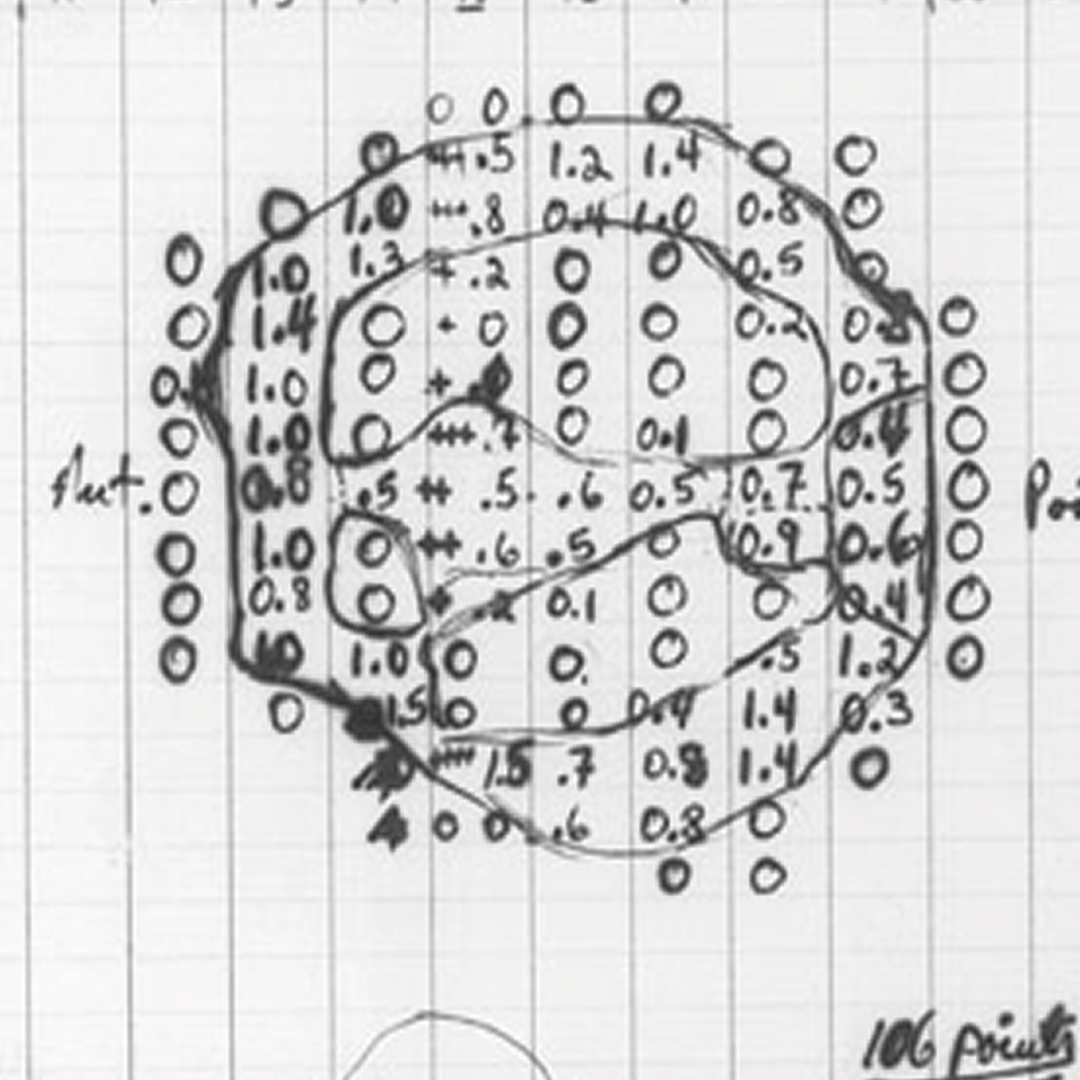
The first commercial whole-body scanners were manufactured in Melville New York

  • The Prototype
    Three years earlier, Dr. Raymond Damadian proved that nuclear magnetic resonance could distinguish between cancerous and healthy tissue. His first human scan took nearly five hours to complete.
  • The Magnet Breakthrough
    To scale, we needed a stable magnetic field large enough to scan a human without melting the machine. Engineers in Waukesha, Wisconsin and Cleveland, Ohio perfected superconducting magnets: coils cooled by liquid helium to -452°F.
  • The Computational Leap
    An MRI listens to radio signals. American researchers integrated Fast Fourier Transform algorithms and high-speed digital processing to turn those signals into images in minutes, not hours.
  • The Protocol Revolution
    Standardized imaging protocols allowed any technician to differentiate between a tumor, a ligament, and a bone. The interface made the insight repeatable, making the machine operable by trained technicians.
  • The Stitched Reality
    By 1985, hundreds of scanners were in operation across the country. Today, the American industrial engine supports 40 million non-invasive maps a year in this country alone.

From Brian

The 1980 milestone unlocked the body. Once the MRI became a commercially viable system, it enabled five shifts that we now consider foundational to modern medicine:

1. Less Reliance on Exploratory Surgery: We stopped cutting people open just to see what was wrong.

2. Precision Oncology: We could finally see the border where a tumor ends and healthy tissue begins.

3. The Sports Medicine Revolution: Before 1980, a torn ACL was often a career-ending mystery; the MRI made soft-tissue repair a precise science.

4. Neuro-Mapping: It gave us our first clear look at the living brain in action, moving psychiatry toward neurology.

5. Radiation-Free Monitoring: Unlike CT or X-ray, the MRI allowed us to monitor children and chronic patients repeatedly without the risk of ionizing radiation.

It’s a reminder that true innovation isn't finished until it’s manufactured.

Read On LinkedIn