The story of insulin is nearly impossible to fully encompass (it includes a Nobel prize, an industrial transformation, millions of lives ultimately saved)… but we can’t tell the story of medical innovation in the United States without telling at least part of the story of insulin.
Let’s focus on one particular point in the story: insulin ushering in the era of industrialized medicine.
Before insulin, medicine manufacturing was largely a craft. While the U.S. Pharmacopeia (highlighted earlier in our series) provided standard formulas, production was often local and artisanal, leaving room for variation and limits to distribution. After 1923, the U.S. proved that the same methodologies used to produce high-precision dyes and stable explosives could also apply to medicine.
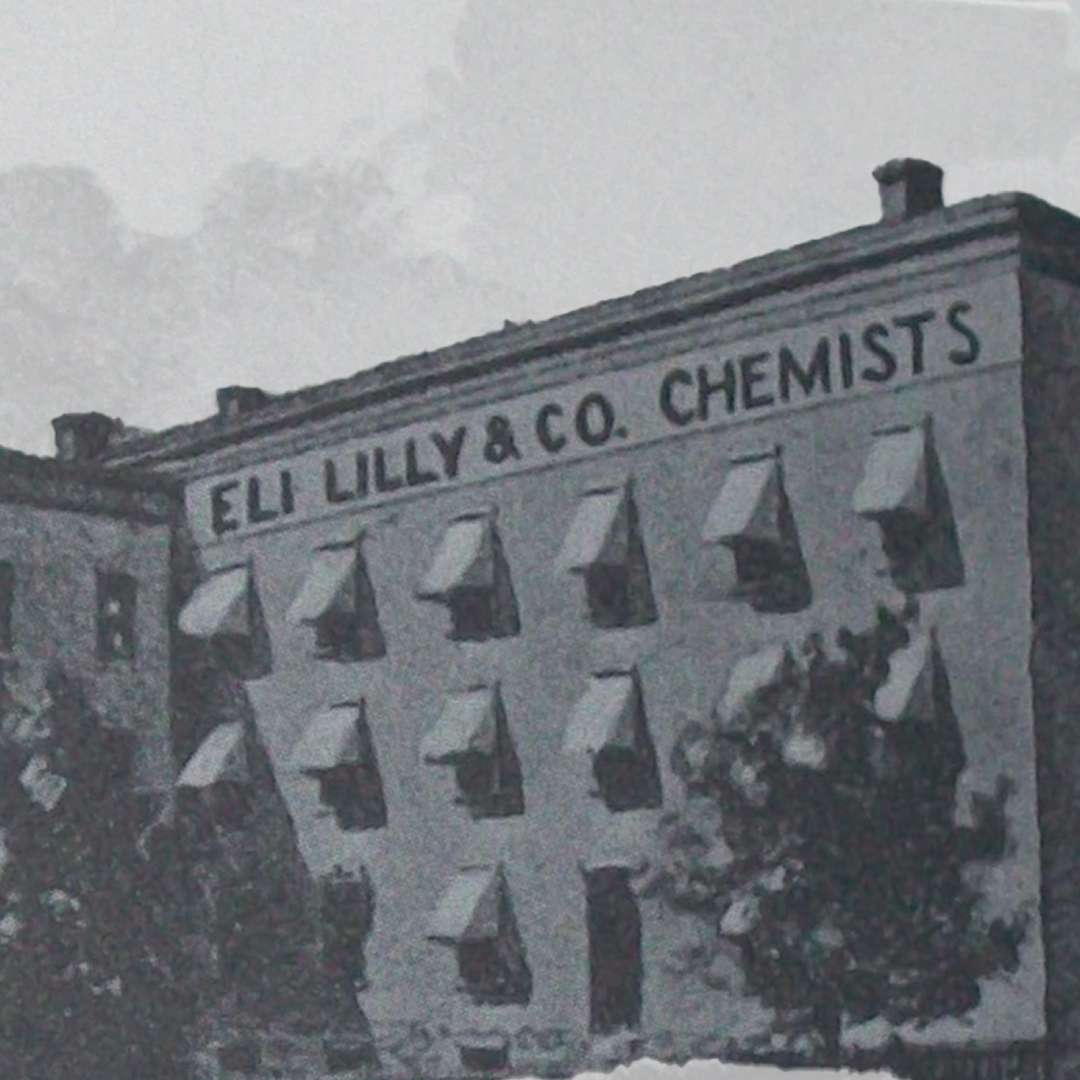
Eli Lilly chemist George Walden discovered the isoelectric point for insulin, moving insulin from the lab bench to the assembly line.


Twenty-five health innovations that changed the world.



There are myriad ways to tell the insulin story (check out the Acquired podcast on Novo Nordisk). I don’t want to neglect the human angle: before Banting, Best, Walden, and Lilly, type 1 diabetes could only be addressed through a starvation diet of 400 calories a day, making the disease fatal.
That said, the story we are telling here is about medical industrialization, where the combined disciplines of biology, chemistry, and industry allowed a solution to scale to the need. The Lilly breakthrough provided a template for the modern medical complex and the millions of lives saved through scaled, standardized medicine.