2020
Operation Warp Speed: mRNA Vaccines
operation-warp-speed-mrna-vaccines
2012
CAR-T Cell Therapy
car-t-cell-therapy
2003
PEPFAR
pepfar
2003
Human Genome Project
human-genome-project
1988
Laparoscopy
laparoscopy
1987
Statins
statins
1980
MRI
mri
1977
PET Scan
pet-scan
1977
Global Eradication of Smallpox
global-eradication-of-smallpox
1976
Genentech & the Birth of Biotech
genentech-the-birth-of-biotech
1973
Telemedicine
telemedicine
1967
Coronary Bypass Surgery
coronary-bypass-surgery
1961
Framingham Heart Study
framingham-heart-study
1955
The Polio Vaccine
the-polio-vaccine
1954
Kidney Transplant
kidney-transplant
1952
Eternal Pacemaker
eternal-pacemaker
1944
Penicillin Scale-Up
penicillin-scale-up
1944
DNA vs. Protein
dna-vs-protein
1937
Blood Banking, A System for Stored Lifesaving
blood-banking-a-system-for-stored-lifesaving
1923
Insulin Mass Production
insulin-mass-production
1862
The Civil War Ambulance Corps and Birth of the Modern EMS
the-civil-war-ambulance-corps-and-birth-of-the-modern-ems
1846
Ether Anesthesia
ether-anesthesia
1820
Establishing Pharmacopeia
establishing-pharmacopeia
1777
Smallpox Inoculation
smallpox-inoculation
1751
Pennsylvania Hospital
pennsylvania-hospital

2003

Human Genome Project

In 2003, an international public consortium completed the Human Genome Project (HGP).

This American-led coalition of six nations and roughly a thousand scientists across twenty institutions produced a reference map of human DNA, a standard against which any individual’s genes could be compared to spot anomalies, diagnose disease, and guide treatment. Three billion base pairs: the first complete reference of our species.

A story of this scope has many threads. For comprehensive histories, I suggest Siddhartha Mukherjee’s The Gene: An Intimate History (2016) or the 2020 Ken Burns documentary The Gene.

For the purpose of this post, I’ll note just one: The Human Genome Project, remarkably, was a global effort that began without a crisis. No epidemic, no specific patient in need, only the conviction, held by a wide array of brilliant minds, that reading our own code was worth doing before anyone could assign a metric or a market to justify it.
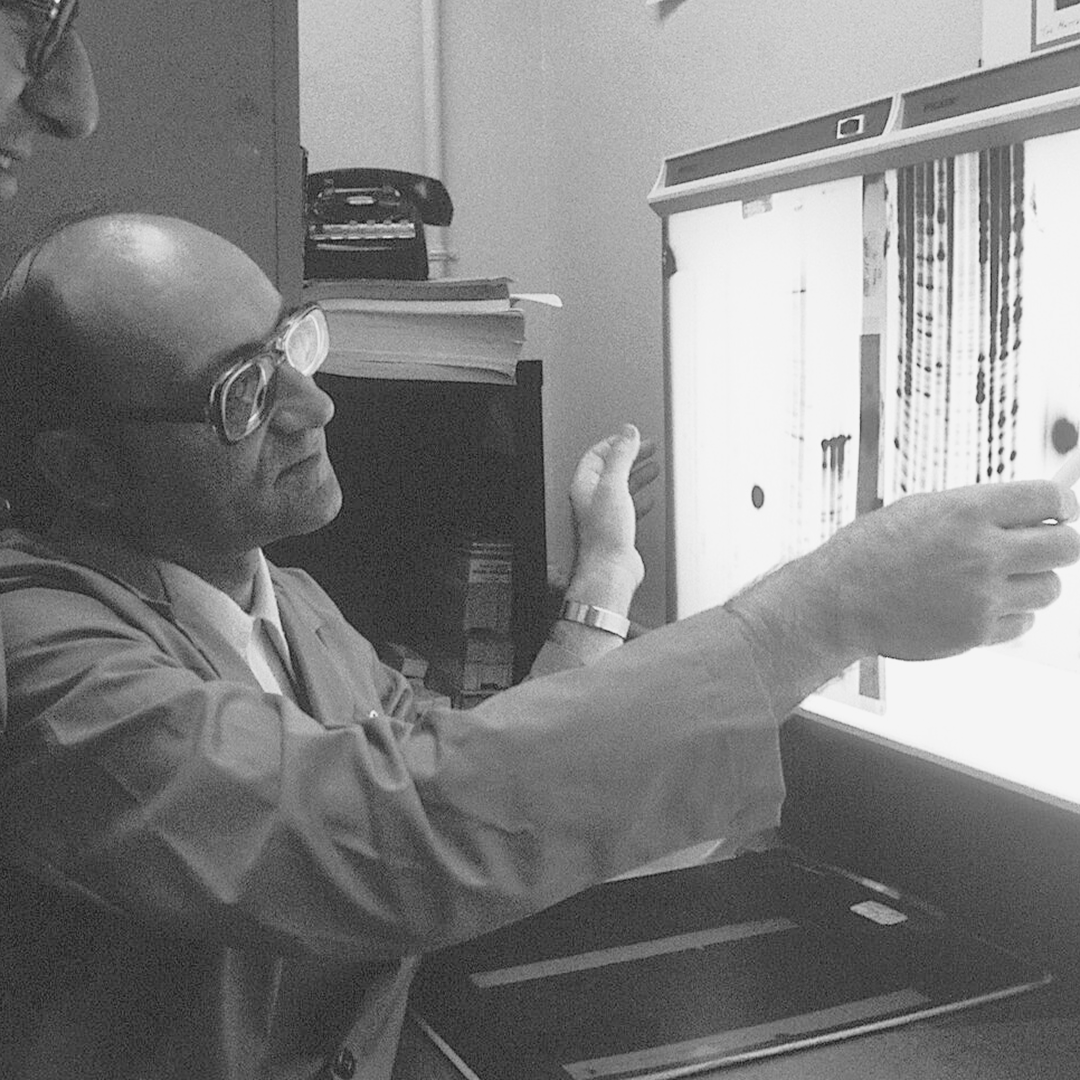
An international consortium completes the first map of the human genome, two years early, $300M under budget.

  • No Crisis, Only Conviction
    Since the 1980s, scientists have argued for a reference of human DNA. They had no single endpoint in mind, only a deep belief that across biology, medicine, and the new field of computation, a complete library of the genome would mark a paradigm shift.
  • The Political Unlock
    A 1988 National Research Council report gave the project a plan and credibility; James Watson, co-discoverer of DNA, became its first champion and won over Congress; the NIH and Department of Energy agreed to fund it together. It launched October 1, 1990, and in 1993, Francis Collins took the helm and drove it to completion.
  • Kept Open, On Purpose
    Through immense coordination, the member nations committed to transparency, publishing every fragment of sequence, free, within 24 hours.
  • The Tools Didn’t Exist Yet
    Sequencing was slow and manual. The team bet that the effort itself would drive the breakthrough: that money and attention would pull private industry through the technology barrier.
  • $3 Billion → A Few Hundred Dollars
    The bet paid off. Through next-generation sequencing reading a person’s genome fell from a national project to a routine test via technology that evolved faster than Moore’s Law.
  • A New Era of Medicine
    The HGP revolutionized diagnostics and opened new frontiers of possibility for drug development.

From Brian

In an age of unprecedented innovation, fundamental human curiosity remains, perhaps, the most powerful force in the world.

Read On LinkedIn