For most of human history, surgery was a last resort, a terrifying, high-speed race against a patient’s capacity for pain. The best surgeons were judged by a stopwatch. Every amputation was a sprint, as the shock of the knife was often as lethal as the disease.
But in 1846, at Massachusetts General Hospital, a fundamental shift occurred; we began to systematically decouple surgery from agony.
A young dentist, William Morton, administered ether through an inhaler holding an ether-soaked sponge as Dr. John Collins Warren removed part of a tumor from the patient’s neck. This technique had been used four years earlier by Crawford William Long in Jefferson, Georgia, but it was Dr. Warren, a founder of Massachusetts General Hospital and Dean of Harvard Medical School, who validated and legitimized the practice by allowing the demonstration of etherization in his operating theater.
Ether didn’t just make surgery kinder; it lowered the threshold for intervention. It allowed doctors to treat diseases earlier, moving surgery from a last resort for the dying to a proactive tool for the living.
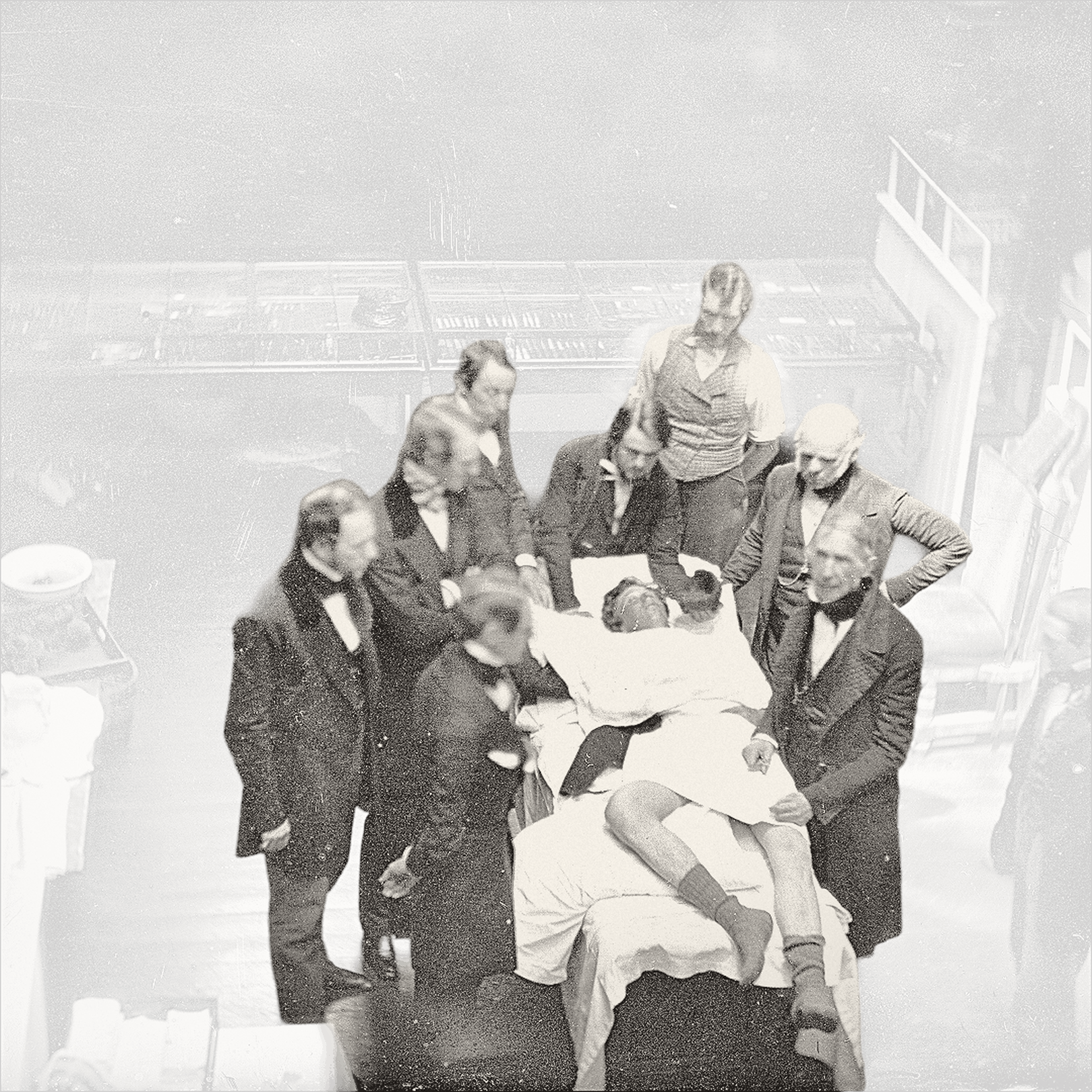
In a tiered amphitheater at Massachusetts General Hospital, a dentist and a surgeon performed the first successful public demonstration of ether anesthesia.


Twenty-five health innovations that changed the world.


The impact of October 16, 1846, was as much about creating a controlled environment for surgeons as it was about innovations in chemistry. By moving surgery into a painless deep sleep, Morton and Warren unlocked the floodgates of medical possibility.
Consider the scale of that shift: In the year before ether, MGH performed only 34 surgeries. Within decades, that number surged into the thousands. Today, anesthesia has become so reliable that mortality rates have plummeted to less than 1 in 200,000, enabling surgeons to perform over 300 million major procedures annually worldwide.
This moment proved that for an innovation to truly change the world, it must first address the most basic human instinct: the avoidance of suffering. It moved the surgeon’s hand from one of necessary violence to one of measured repair, creating the foundation for every transplant, heart surgery, and robotic procedure we rely on today.