At its core, the heart is an electrical organ. Scientists have known that as far back as the 1700s, when they realized a small spark could make muscles twitch. It wasn’t until 1952 that Dr. Paul Zoll gave that knowledge a practical meaning, when he restored rhythm to a patient in cardiac arrest via external stimuli.
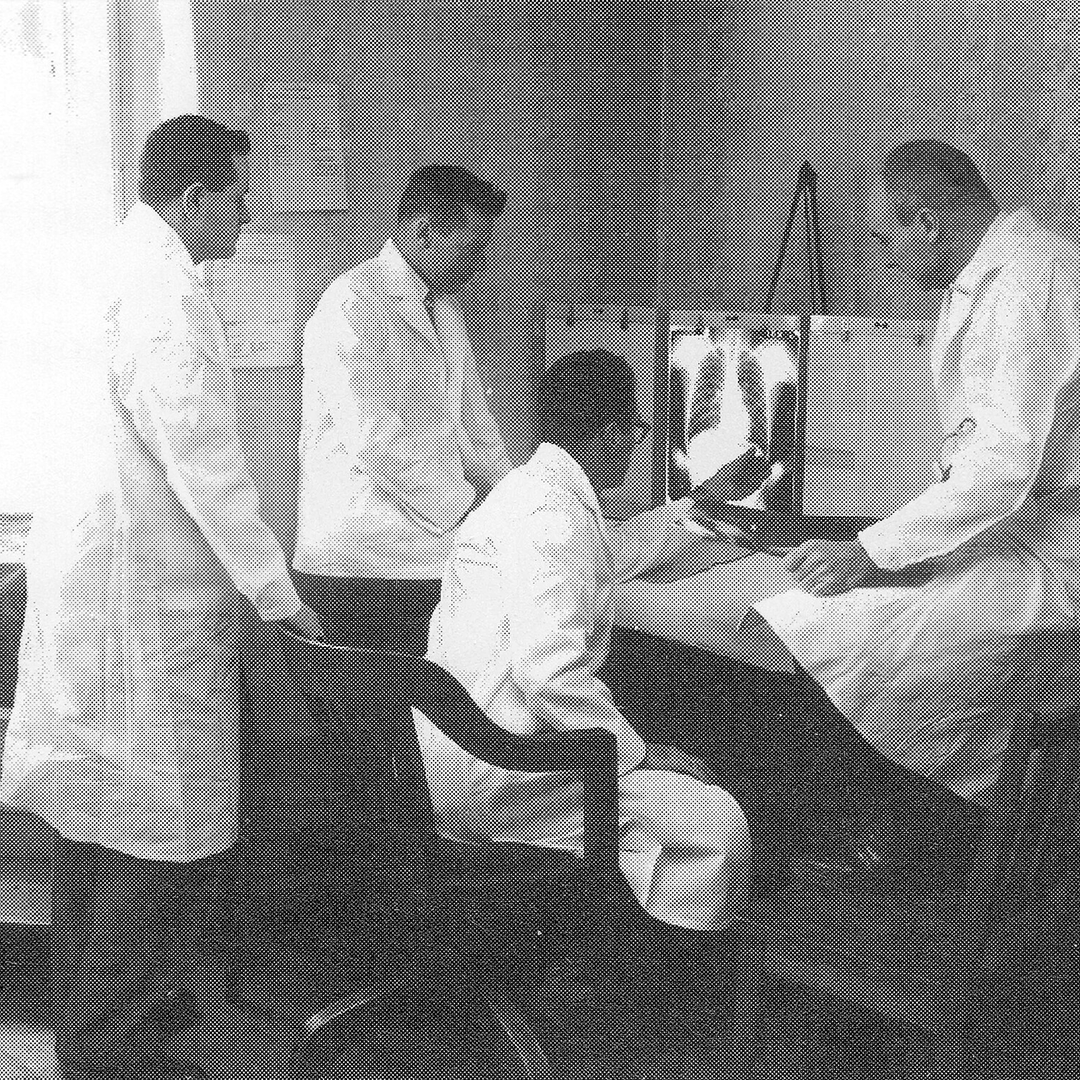
A 65-year-old patient at Beth Israel Hospital in Boston suffered a total cardiac standstill.


Twenty-five health innovations that changed the world.


Zoll’s ingenuity included integrating two different sources: he saw scientists from Toronto use a catheter electrode to restart animal hearts; he borrowed tools from Harvard Medical School to stimulate frogs’ nerves to induce electric shock.
This story reinforces for me how science builds on science: Zoll’s breakthrough came from combining other ideas, and within a decade of his breakthrough, we had the external defibrillator (1956, also Paul Zoll) and the internal pacemaker (1960, Wilson Greatbatch & William Chardack). Zoll also worked with Alan Belgard to add an oscilloscope (the beep screen) and an alarm, allowing for external monitoring of patients and alerting when something went wrong while hooked up to one of his machines.
No inventor, or invention, exists in a vacuum in science - an incredible feature of the community.