Scientific breakthrough requires a paradoxical headspace: the dogged pursuit of a theory and the humility to realize you’ve been chasing down the wrong path.
In 1928 microbiologist Frederick Griffith established that material from a strain of heat-killed viral bacteria could change the inherited traits of live, benign bacteria. He had found an effect, but he couldn't identify the cause.
For years, most researchers believed the change agent was a protein. The accepted chemistry of the day suggested that only proteins were complex and sophisticated enough to carry a blueprint. DNA, as understood at the time, was largely dismissed.
Oswald Avery at Rockefeller University challenged the prevailing view: He isolated components. He destroyed the proteins; the transformation continued. Only when he destroyed the DNA did the transformation stop.
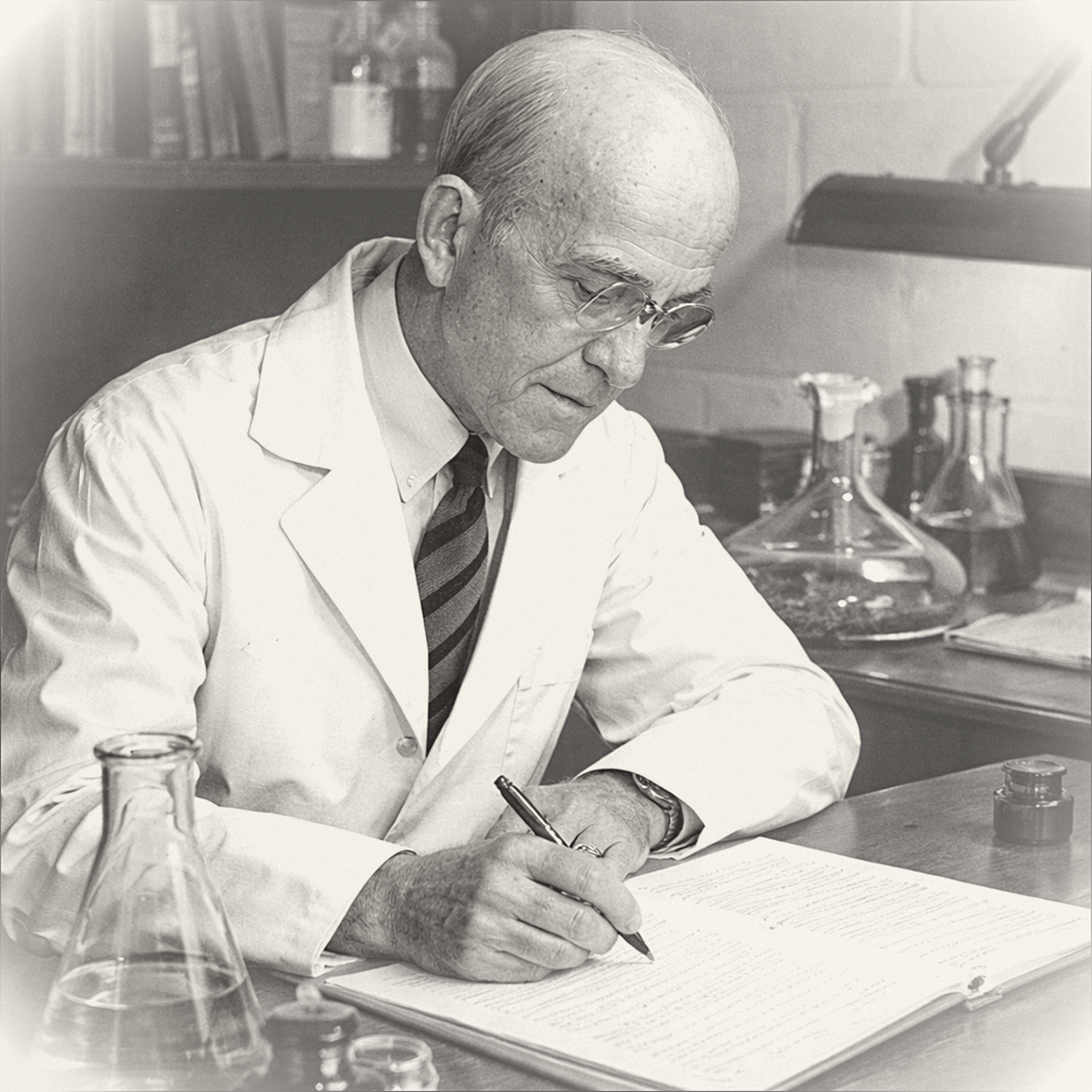
Dr. Oswald Avery, Colin MacLeod, and Maclyn McCarty publish the first evidence that DNA is the transforming agent and therefore implicated in heredity.


Twenty-five health innovations that changed the world.


Avery’s persistence at The Rockefeller University was critical. By systematically questioning the most basic assumptions, he identified a master lever of human biology. He showed that life has a physical script, one we’ve spent the last eighty years learning to read and, in limited but growing ways, to rewrite.