2020
Operation Warp Speed: mRNA Vaccines
operation-warp-speed-mrna-vaccines
2012
CAR-T Cell Therapy
car-t-cell-therapy
2003
PEPFAR
pepfar
2003
Human Genome Project
human-genome-project
1988
Laparoscopy
laparoscopy
1987
Statins
statins
1980
MRI
mri
1977
PET Scan
pet-scan
1977
Global Eradication of Smallpox
global-eradication-of-smallpox
1976
Genentech & the Birth of Biotech
genentech-the-birth-of-biotech
1973
Telemedicine
telemedicine
1967
Coronary Bypass Surgery
coronary-bypass-surgery
1961
Framingham Heart Study
framingham-heart-study
1955
The Polio Vaccine
the-polio-vaccine
1954
Kidney Transplant
kidney-transplant
1952
Eternal Pacemaker
eternal-pacemaker
1944
Penicillin Scale-Up
penicillin-scale-up
1944
DNA vs. Protein
dna-vs-protein
1937
Blood Banking, A System for Stored Lifesaving
blood-banking-a-system-for-stored-lifesaving
1923
Insulin Mass Production
insulin-mass-production
1862
The Civil War Ambulance Corps and Birth of the Modern EMS
the-civil-war-ambulance-corps-and-birth-of-the-modern-ems
1846
Ether Anesthesia
ether-anesthesia
1820
Establishing Pharmacopeia
establishing-pharmacopeia
1777
Smallpox Inoculation
smallpox-inoculation
1751
Pennsylvania Hospital
pennsylvania-hospital

1967

Coronary Bypass Surgery

Coronary artery disease is the most common type of heart disease in the U.S., affecting about 29 million adults. For decades, it was a black box problem: we knew the pipes were clogging, but we couldn't see where, and we certainly couldn't fix them.

In 1967, a team in Cleveland proved that with the right spare parts from the patient’s own body, we could re-engineer survival.

To save a failing heart, surgeons remove a vein from a patient’s leg, then sew it onto the chest to build a detour around a clogged artery.

Despite being performed nearly 340,000 times a year in the US, you can’t ignore how extraordinary coronary bypass surgery is.
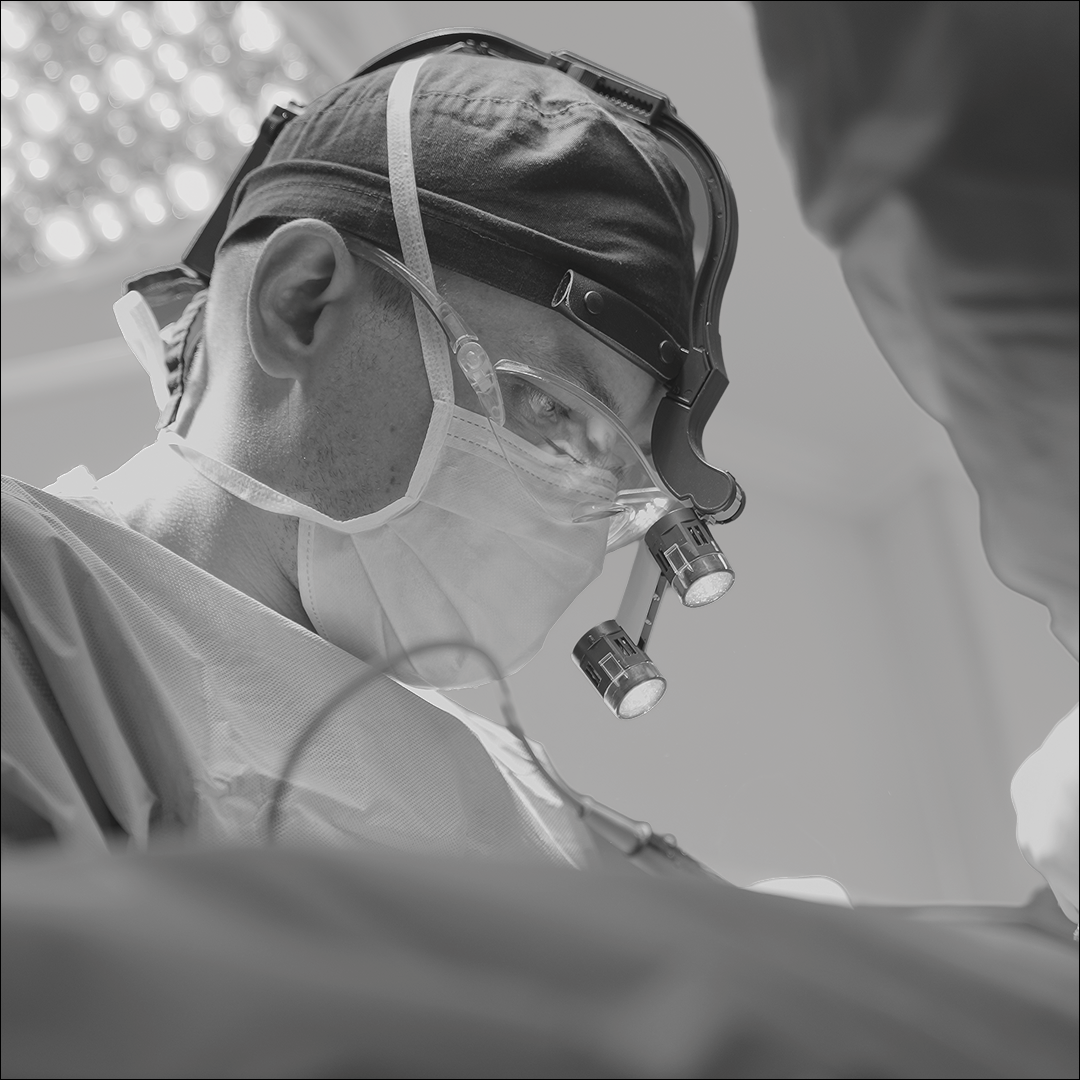
Dr. René Favaloro performs the first successful, planned bypass on 51-year-old woman at the Cleveland Clinic.

  • Map
    The first piece of the puzzle was the ability to map the heart. In 1958, Cleveland’s Mason Sones accidentally discovered how to use dye to X-ray the heart’s arteries to create angiograms, pictures of the heart in a living patient.
  • Material
    The saphenous vein in the leg is the spare part. It is long, durable, and largely redundant. Dr. Favaloro surmised that since it is the patient's own tissue, the body doesn't reject it, making it the perfect material for building a permanent detour in the chest.
  • Stopping Time
    To sew a vein onto a heart with microscopic precision, the heart has to stop moving. This was made possible by the heart-lung machine, an American engineering marvel that took over the patient’s circulation so the surgeon could work on a still target.
  • The Basement Years
    Before his first surgery, Dr. Favaloro spent five years in the Clinic’s film library. He reviewed thousands of Mason Sones’ grainy X-ray films, obsessively studying the anatomy of failure before he ever picked up a scalpel.
  • The Scale
    What began as a radical experiment in Ohio is now performed roughly 340.000 times a year in the U.S. alone.

From Brian

How does a country doctor from a small village in Argentina end up revolutionizing American surgery?

In 1962, René Favaloro wrote letters to the Cleveland Clinic asking to study there. They went unanswered. So, he simply showed up in Ohio, unannounced and uninvited, with little money and limited English. Dr. Donald Effler, the head of thoracic surgery, was building a high-spec lab and needed someone obsessed enough to bridge the gap between new imaging technology and the operating table.

This is the U.S. as a Talent Platform. When we build the world’s best infrastructure, the imaging, the machines, and the culture of risk-taking, the world’s most ambitious problem solvers show up to use it. The American ecosystem enabled a global victory with coronary bypass.

Read On LinkedIn