Until 1937, a blood transfusion was a high-stakes, live event. If you were on an operating table and started to bleed out, the surgery stopped. A donor was rushed in and laid on a cot next to you. That donor was either a family member or a professional donor (yes, this was a profession), who charged as much as $50 (over $1,000 today) for access to their veins. A doctor then physically linked your circulatory system to theirs. It was a literal arm-to-arm race against the clock.
Dr. Bernard Fantus at Cook County Hospital in Chicago imagined something different: blood ready on demand to those who needed it, regardless of how much money you had or how wide your social circle.
In 1937, Fantus constructed the modern Blood Bank. He utilized precision electric refrigeration, which was just then moving from industrial plants into American kitchens, to stop the clock. By housing blood at near-freezing temperatures, he turned a frantic bedside crisis into a stable, accessible procedure.
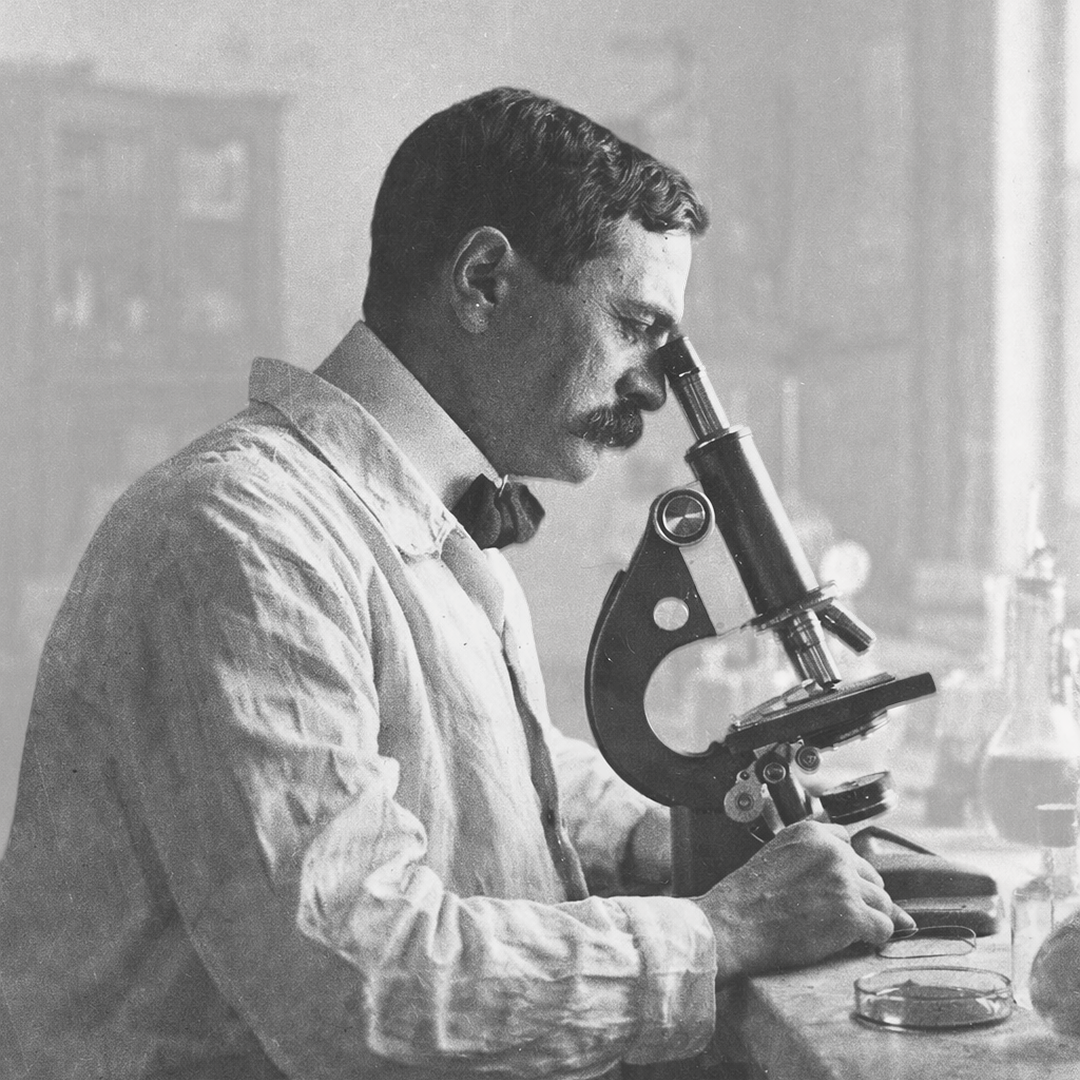
Dr. Bernard Fantus opens the first facility in the world to be called a Blood Bank at Chicago’s Cook County Hospital.


Twenty-five health innovations that changed the world.


I was born in Chicago, and like many Chicagoans, I have immense pride in our local innovations (the Ferris Wheel, the zipper, Lou Malnatti’s pizza).
I’m always interested in how great system design reinforces, rather than fights, individual and group psychology. I am particularly drawn to the Fantus template for two reasons:
First, it used a familiar metaphor to bridge a radical scientific gap. By calling it a Bank, Fantus bypassed the ick factor of stored blood. He taught the public that blood was community capital: you made a deposit when you were healthy so you could make a withdrawal when you were in crisis. He even used bank-style ledgers and withdrawal slips to track every pint.
Second, the system was open-source by design. In 1937, Fantus published his technical specs and administrative ledgers in the Journal of the American Medical Association. He didn’t want a patent; he wanted a standard. Within just three years, over 100 hospitals had used his blueprint to build their own vaults.
It’s a reminder that healthcare can often require an architecture of human-centered, efficient logistics to enable the impact of biological breakthroughs.